Your survey found something. It told you to investigate further — and then stopped. This is the bit that tells you what it actually is, what it costs to fix, and whether you should still be buying the house.
Accredited specialists only
Fixed price before booking
Report within 48 hours of inspection
Sent to you, your solicitor and your lender
Before you exchange · England & Wales
What is a specialist property report?
A specialist property report is a focused inspection carried out by an accredited expert in a single discipline. It is commissioned when a RICS Level 2 or Level 3 survey identifies a defect that, under the terms of that survey, the surveyor cannot open up, test or diagnose — so the report recommends further investigation by a specialist.
A focused inspection of one defect by an accredited specialist in that discipline.
When to commission it
Between your survey and exchange of contracts — a pre-purchase step, not aftercare.
What triggers it
Wording such as "further investigation required" or "outside the scope of this survey" in a RICS Level 2 or Level 3 survey.
Who carries it out
An accredited member of the governing body for that discipline — PCA, IStructE, Gas Safe, NICEIC/NAPIT, UKAS, Arboricultural Association.
Turnaround
Inspection booked in 2–5 working days, written report within 48 hours of the visit. Accelerated where an exchange date is close.
Cost
Fixed price quoted before booking. Booking more than one report together usually reduces the total.
What you receive
Cause of the defect, extent, photographs, remedial specification and costs — issued to you, your solicitor and your lender.
Why the timing matters
Pre-exchange you can renegotiate, require the seller to do the work, or withdraw. Post-exchange the defect and its cost are yours.
The eight reports
Whatever your survey flagged, there is a specialist for it
Each report is a separate discipline with its own accreditation, its own standard and its own deliverable. We instruct all eight, so you make one call rather than eight.
Damp & Timber Survey
PCA accredited · CSRT / CSTDB
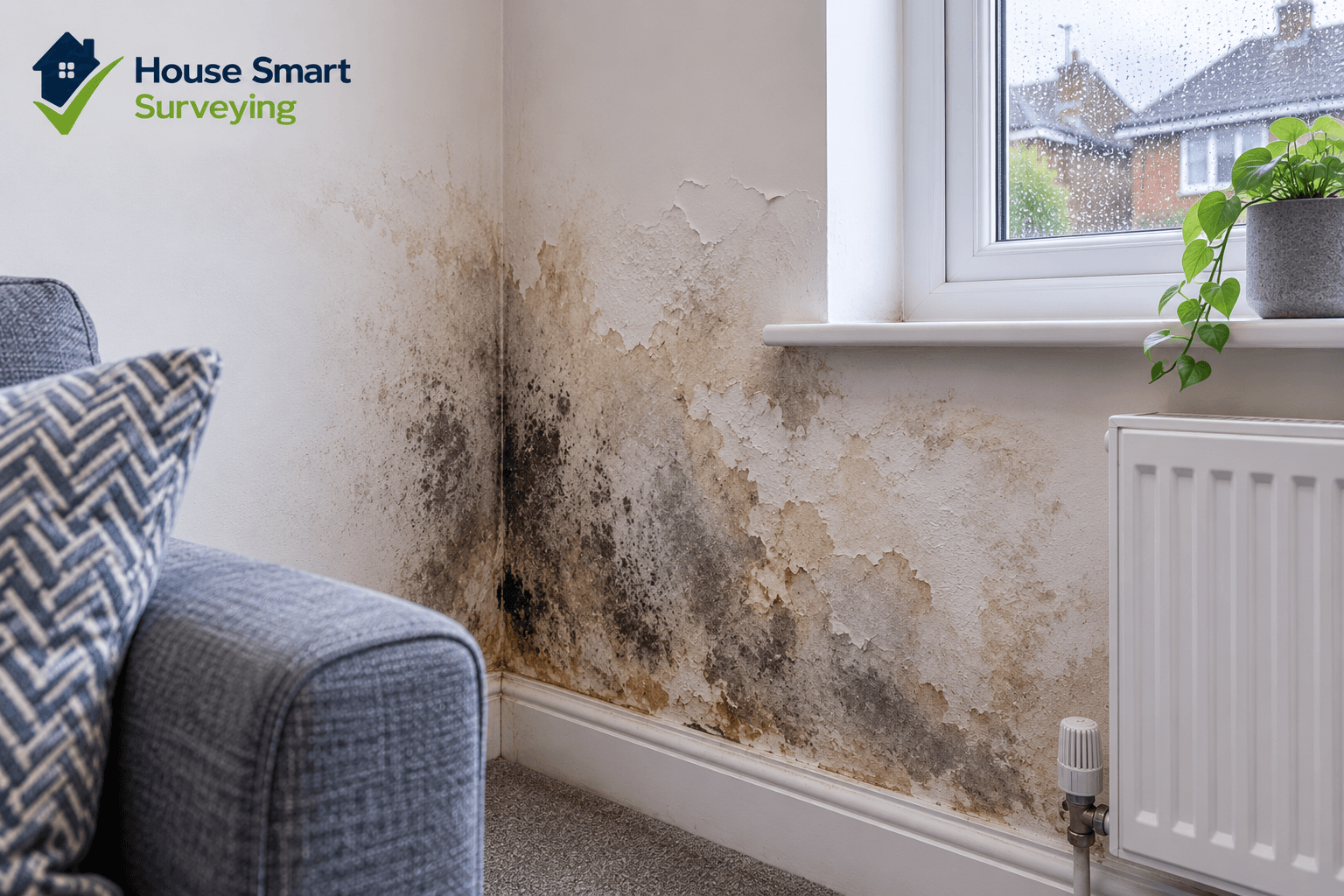
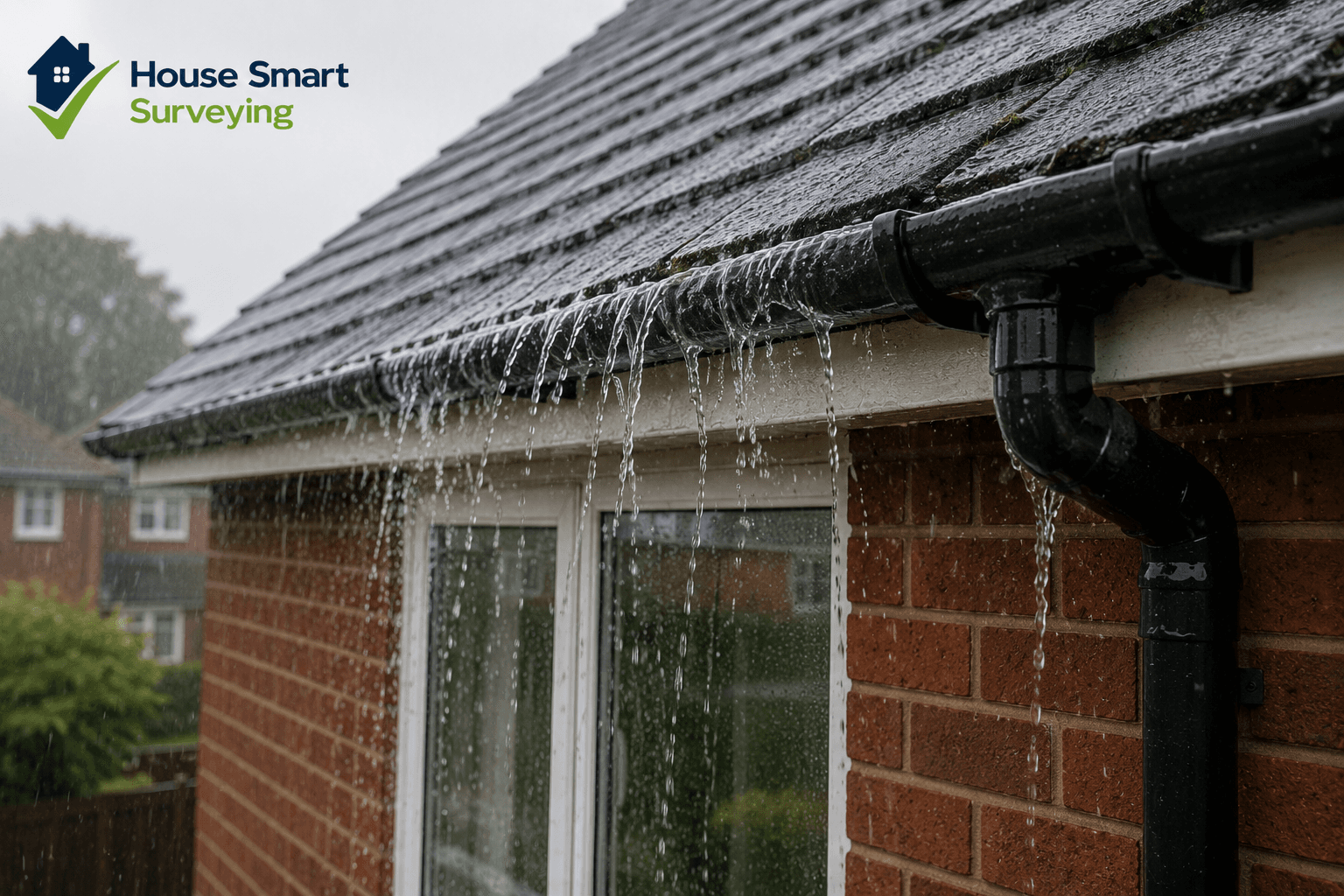
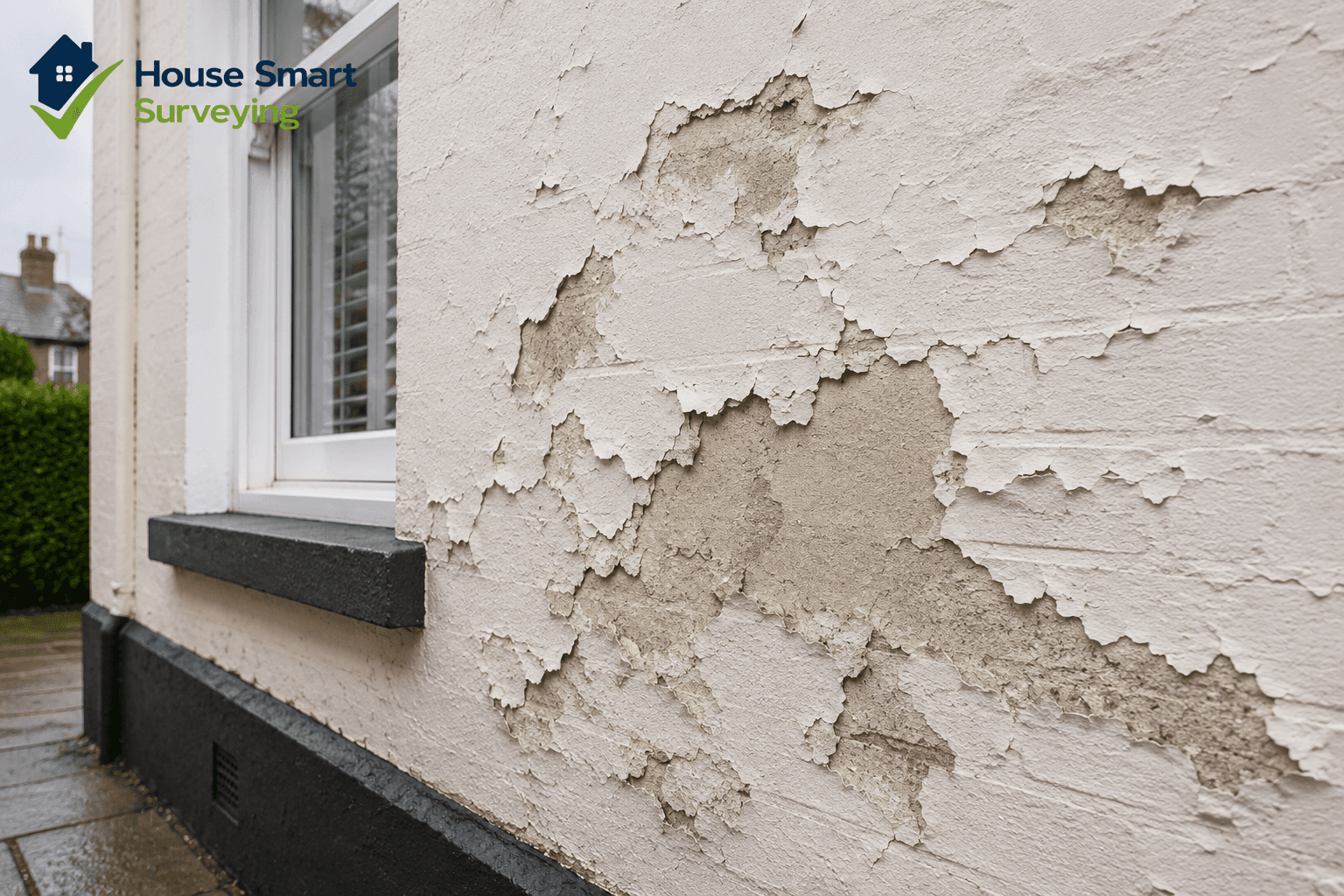
Distinguishes rising damp from penetrating damp and condensation — three problems with three different fixes and three very different price tags. Also covers wet rot, dry rot and woodworm to structural timbers.
Your survey said: "elevated moisture readings", "evidence of rising damp", "suspected rot to timbers"
Cracking, subsidence, heave, bulging walls, sagging roofs, removed chimney breasts and unsupported openings — assessed by a chartered structural engineer, with a conclusion your lender will accept.
Your survey said: "cracking of structural significance", "possible subsidence", "movement requires assessment"
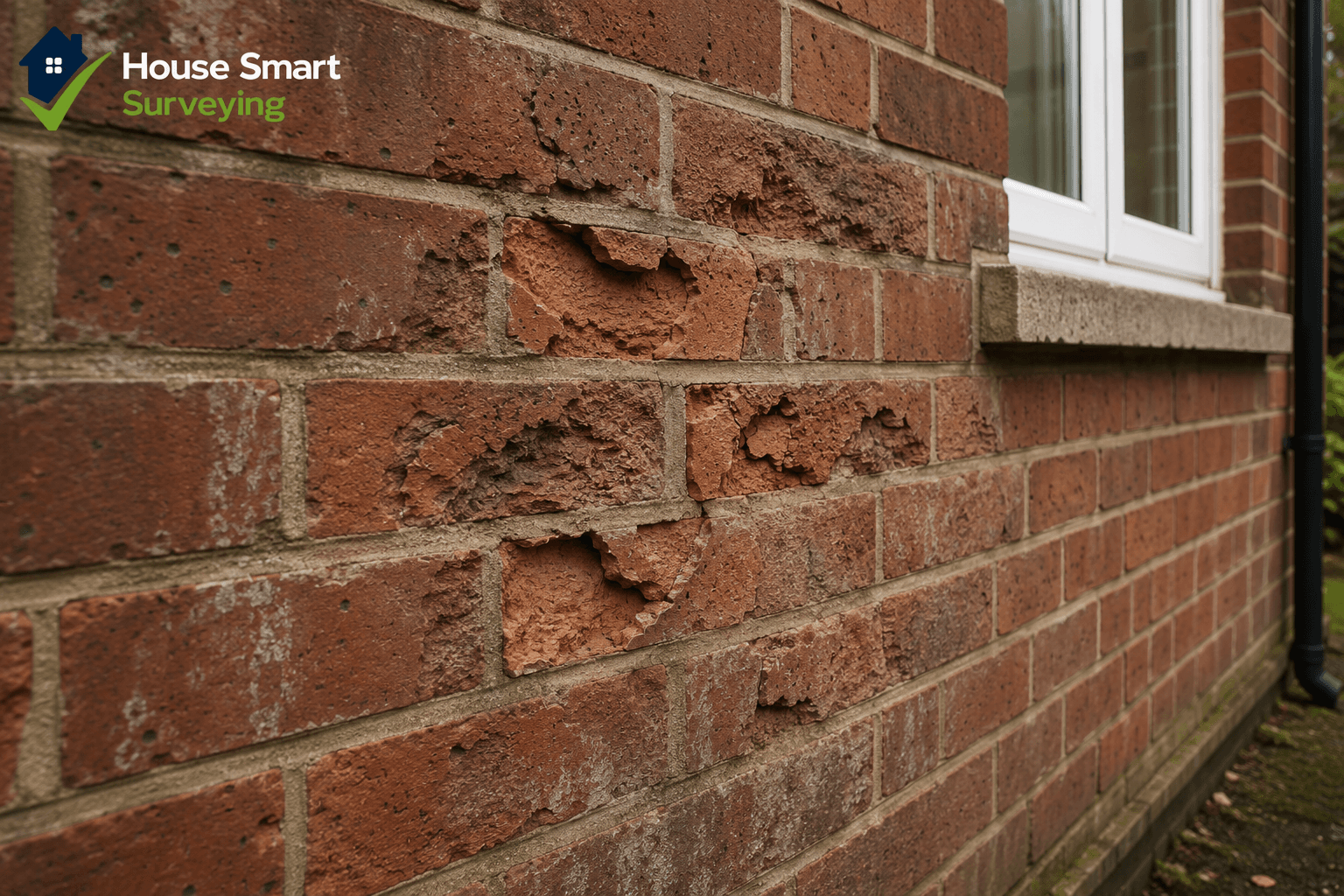
Cavity wall tie corrosion is common in pre-1980s masonry and routinely mistaken for settlement. A borescope inspection confirms tie condition, spacing and density, and whether replacement is genuinely needed.
Your survey said: "horizontal cracking at regular courses", "cavity wall tie failure suspected"
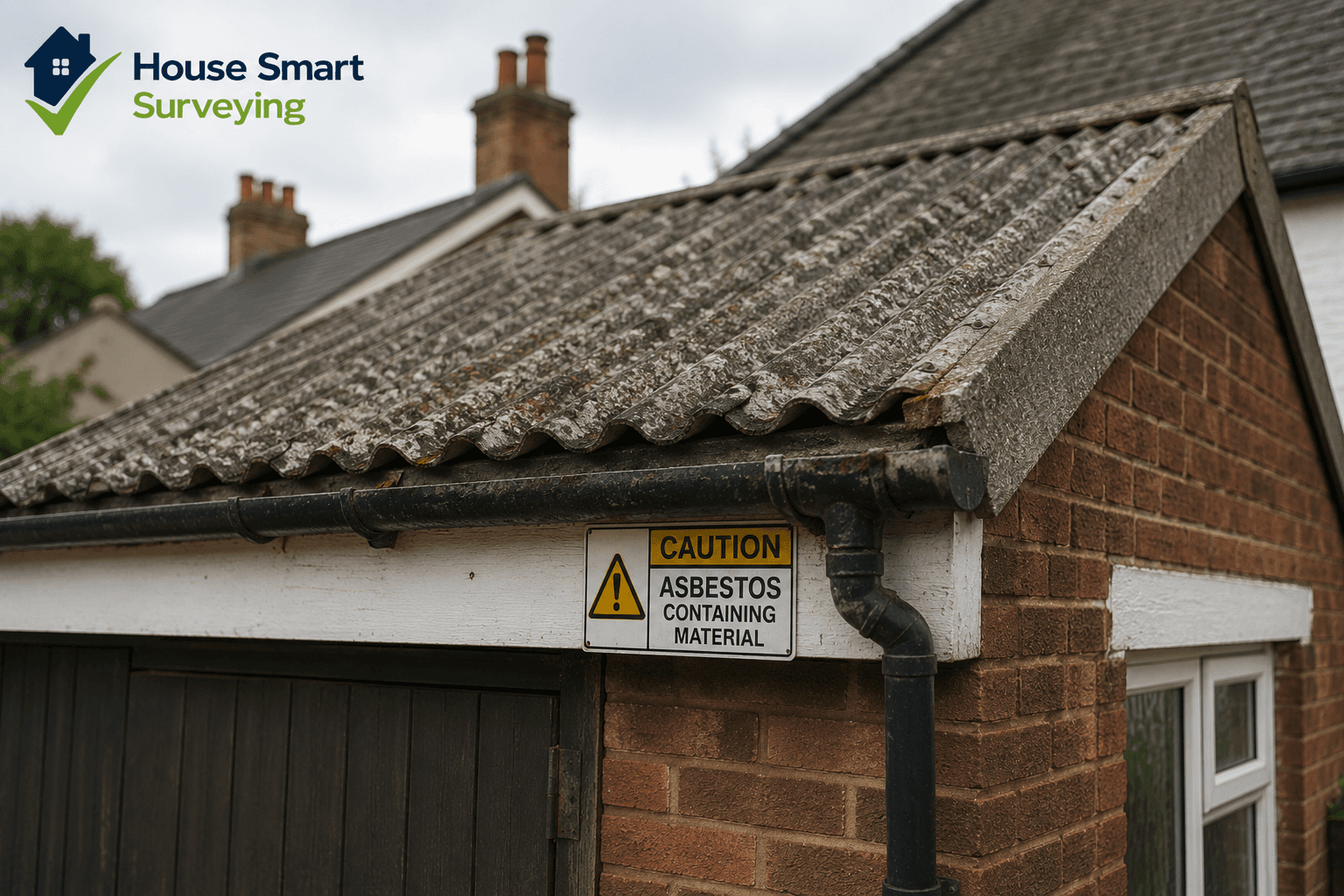
Management surveys for occupied homes, and refurbishment & demolition surveys before work starts. Any property built before 2000 can contain asbestos — samples are analysed by a UKAS-accredited laboratory.
Your survey said: "materials likely to contain asbestos", or the property predates 2000
An Electrical Installation Condition Report codes every observation C1, C2, C3 or FI — so you can see at a glance what is dangerous now, what must be remedied, and what is merely an improvement recommendation.
Your survey said: "electrical installation appears dated", "no evidence of recent testing"
Boiler make, age and condition, flue integrity, gas soundness and the state of the heating system — so you know whether you are inheriting a working system or a replacement bill.
Your survey said: "heating system not tested", "boiler appears beyond its expected lifespan"
Species, proximity, root influence and the risk to foundations and drains, assessed by a qualified arboriculturist — the report lenders ask for where a retention has been applied.
Your survey said: "trees in close proximity to the property", lender retention pending a tree report
A camera run through the drainage system with MSCC-coded footage identifying blockages, collapses, root ingress and displaced joints — often the missing piece in a subsidence investigation.
Your survey said: "drainage not inspected", subsidence investigation, standing water
Still not sure? Send us your survey and we will tell you which recommendations genuinely warrant a specialist — and which are standard caveats that appear in almost every report.
What you get
What every specialist report includes
Different disciplines, same standard of deliverable. No report we instruct comes back saying "further investigation required".
The cause, not just the symptom. What is actually happening and why, rather than a description of what can be seen.
Extent and severity. How far the problem reaches and how urgent it is, so you can tell a £400 job from a £14,000 one.
Photographic evidence. Dated images of each finding, which is what makes the report usable in a negotiation.
A remedial specification. The specific works required, written so a contractor can price against it.
Costs. A realistic figure for the remedial work, not a range so wide it is useless.
Plain English. Written to be read by you and your solicitor, not only by another specialist.
How it works
Survey to report in under a week
1
Send us your survey
Email the Level 2 or Level 3 report, or just tell us what it flagged. We will tell you which specialists are genuinely needed — and which recommendations you can ignore.
2
Fixed quote, same day
A fixed price per report, quoted before anything is booked. Where you need more than one, we price them together.
3
We arrange access
We deal with the agent and the seller to get the specialists in, coordinating multiple disciplines on one visit wherever the work allows.
4
Report within 48 hours
Cause, extent, photographs, specification and costs — issued to you, your solicitor and your lender at the same time.
Common questions
Specialist reports, answered plainly
A specialist property report is a focused inspection carried out by an accredited expert in a single discipline — damp and timber, structural engineering, cavity wall ties, asbestos, electrics, gas and heating, trees or drainage. It is commissioned when a RICS Level 2 or Level 3 survey identifies a defect that, under the terms of that survey, the surveyor cannot open up, test or diagnose.
Before. A specialist report is a pre-purchase step, commissioned between your survey and exchange of contracts. While you are still under offer you can renegotiate the price, require the seller to carry out the work, or withdraw. Once you have exchanged, the defect and the cost of putting it right belong to you.
Often yes. A Level 3 survey is more thorough than a Level 2 and will give estimated repair costs, but it remains a non-invasive visual inspection. It cannot lift floorboards, drill a cavity, take an asbestos sample, test an electrical circuit or run a camera down a drain. Where the defect needs any of those, the Level 3 report will itself recommend a specialist.
Cost depends on the report type, the size of the property and how much access is needed. Every quote is fixed and given before the inspection is booked, with no per-visit surprises. Where more than one report is needed, booking them together usually reduces the total.
Most inspections are booked within two to five working days and the written report is issued within 48 hours of the site visit. Asbestos surveys take slightly longer where samples require UKAS laboratory analysis. Where an exchange date is close, inspections can usually be accelerated — tell us the deadline when you enquire.
Yes, and that is one of the main reasons to commission one. A specialist report states the cause of the defect and the cost of putting it right, which gives you an evidenced figure to negotiate against rather than an estimate. Sellers and agents treat a costed report from an accredited specialist very differently from a survey caveat.
Lenders routinely require a specialist report before releasing funds or lifting a retention where a valuation or survey has flagged damp, movement, wall tie failure or tree proximity. Our reports are produced by members of the recognised body for each discipline, which is what lenders look for, and can be sent directly to your lender and solicitor.
Each report is carried out by an accredited member of the relevant governing body: PCA-accredited surveyors for damp and timber, chartered structural engineers registered with IStructE or ICE, asbestos surveyors working to HSG264 with UKAS laboratory analysis, NICEIC or NAPIT registered electricians for EICRs, Gas Safe registered engineers for gas and heating, and Arboricultural Association members for tree reports.
Yes. Specialist reports can be instructed on their own, whoever carried out your original survey. Send us the survey and we will tell you which of its recommendations genuinely warrant a specialist and which are standard caveats that appear in almost every report.
Where the disciplines allow it, yes — and coordinating that is one of the advantages of instructing through a single group. Multiple specialists can be scheduled to attend on the same day, which reduces the number of access appointments the seller has to agree to and gets all the reports back inside one turnaround window.
We will read it, tell you which specialists you genuinely need, and quote a fixed price the same working day. If none of the recommendations warrant a report, we will tell you that too.