
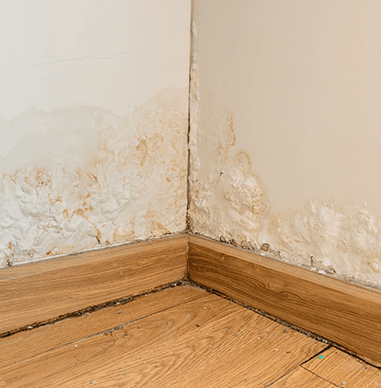
What is a damp and timber survey?
A damp and timber survey is a focused inspection of moisture and wood defects. It goes further than a general homebuyer survey.
The type of damp. Rising damp, penetrating damp or condensation.
The cause. Blocked gutters, a bridged damp-proof course, high ground levels, a leak or poor ventilation.
Timber decay. Wet rot, dry rot and woodworm.
Structural risk. Whether joists, roof timbers, skirtings or window frames are affected.
What to do next. The repair that fits the cause, not the most profitable treatment.
Why an independent report matters
Many low-cost damp surveys are done by firms that also sell chemical injection or tanking. The company diagnosing the problem profits from the fix.
An independent specialist's only job is the cause. The right fix is often simple: clear a gutter, lower a flower bed, or improve ventilation.
House Smart arranges the inspection through specialists who do not sell treatments, so you can decide or renegotiate before exchange.
How it differs from a homebuyer survey
A damp and timber report sits alongside a RICS survey. It does not replace one. When a surveyor recommends further investigation, the specialist inspection can be booked straight away so the purchase does not stall.
| RICS Level 2 | RICS Level 3 | Independent damp and timber survey | |
|---|---|---|---|
| Scope | Whole property, visible condition | Whole property, in depth | Damp and timber only, in detail |
| Damp | Flags signs and high readings | Flags signs and likely causes | Diagnoses the type and cause, and recommends a repair |
| Timber | Notes visible decay or woodworm | Notes visible decay and risk | Investigates decay, rot and insect activity |
| When you need it | Most standard homes | Older, larger or altered homes | When a survey or lender asks for further investigation, or you can see the warning signs |
When to book one
Book an independent inspection if any of these apply.
A RICS Level 2 or Level 3 survey recommends further investigation.
The lender's valuation asks for a damp and timber report before funds are released.
The property was built before about 1920, with solid walls and older timbers.
You notice a musty smell, tide marks, flaking plaster, peeling wallpaper or black mould.
Floors feel soft, or skirtings are crumbling.
Timber has small round holes or fine dust, which can be woodworm.
The property has been empty, or has just been redecorated throughout.
There is a cellar, or a floor below external ground level.
Common damp and timber problems
Rising damp is ground moisture moving up a wall where the damp-proof course has failed, is missing, or has been bridged. True rising damp is less common than it is claimed to be.
Penetrating damp is water coming in through pointing, render, gutters, a roof or windows. Repair the source before you treat the wall.
Condensation is the most common damp in UK homes. Moisture from daily living settles on cold surfaces and leads to black mould. Ventilation and heating usually solve it.
Wet rot stays in timber that is kept wet: window frames, skirtings, joists and roof timbers.
Dry rot can spread through masonry to reach new timber. It needs finding early.
Woodworm is often historic and inactive. A specialist can tell you whether treatment is actually needed.
What happens on the inspection
A typical instruction has five steps.
- 1
Instruction. House Smart books an independent specialist and agrees access with the estate agent.
- 2
Inspection. Walls, floors, accessible timbers, the outside, drainage and ventilation, with a moisture meter and a visual check.
- 3
Diagnosis. Readings are read in context. A meter on its own can mislead on plaster and salts.
- 4
Report. Photographs, findings, causes and the recommended repairs.
- 5
Next steps. Proceed, get quotes, renegotiate, or satisfy the lender.
What the report is for
You still have a decision to make.
Repair bills. You see them before you own the house.
The price. Findings are evidence for a renegotiation.
The lender. A required report can be turned around before the offer stalls.
Unnecessary treatment. You are not sold a fix by the person who diagnosed it.
Need a damp and timber report?
We arrange an independent inspection through our specialist panel, and can line it up with your RICS survey.
Get a quoteFrequently asked questions
A practical decision guide to choosing between a RICS Home Survey Level 2, a Level 3 Building Survey or a valuation — by construction, type and condition.
Five checks brokers and conveyancers can use before they add a surveying firm to a referral panel.